
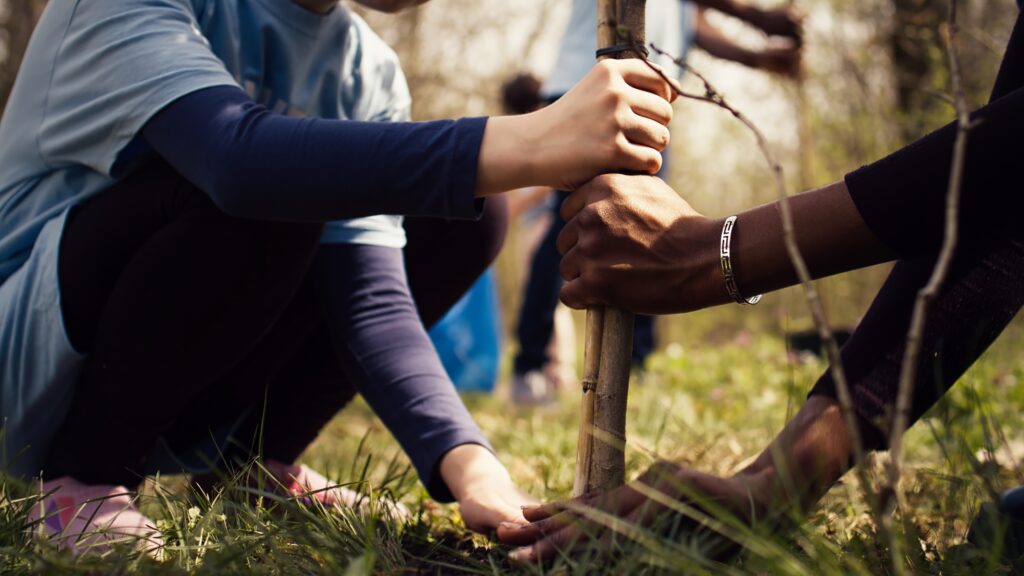
Every 18th of July, the world celebrates Nelson Mandela International Day – a day to honour Mandela’s legacy and follow his example of service to build a better world.
What counts in life is not the mere fact that we have lived. It is what difference we have made to the lives of others that will determine the significance of the life we lead. – Nelson Mandela
This mid-July observance is a timely reminder that living with purpose often means helping others. Whether it’s sunny summer days in the Northern Hemisphere or the heart of winter in South Africa, compassion has no season. Embracing small, intentional acts of kindness and community service can bring deeper meaning and genuine connection to our lives.
Servant leadership is an idea that captures this spirit. It’s traditionally a leadership model where the leader’s primary goal is to serve others – flipping the script so that power and ego take a backseat to empathy and support. Great servant leaders (think of people like Nelson Mandela) put the needs and growth of their people first. Key qualities of servant leadership include humility, active listening, ethical behaviour, and building a sense of community. In practice, this means genuinely caring about others’ well-being and success. But you don’t need a fancy title to be a servant leader. We can all apply these principles in daily life by living with purpose through helping others – making a conscious choice to uplift those around us.
Small Acts, Big Impact
Acts of kindness don’t have to be grand gestures.
We cannot do great things on this earth, only small things with great love. – Mother Teresa
Holding the door for a stranger, checking in on a neighbour, or sharing a smile can brighten someone’s day. These small acts, done intentionally, create ripples of positivity in our communities. In fact, research shows that kindness is contagious – one kind deed often inspires another. Helping others also helps us. Studies have found that even minor acts of kindness can boost our happiness and sense of engagement with life, reduce stress and anxiety, and strengthen social ties. Being kind releases feel-good chemicals in the brain – often called the “helper’s high” – which improves mood and even alleviates pain. Over time, a habit of kindness can lower blood pressure and cortisol (the stress hormone), contributing to better health. It’s amazing to think that something as simple as offering help or a kind word not only makes someone else’s day better, but also nourishes our own well-being.
What’s important to note is, these benefits aren’t just momentary. When we practice kindness regularly, we foster a sense of trust and connection with others. Communities where people look out for each other tend to be more resilient and close-knit. Small everyday interactions – greeting your security guard at work with warmth or thanking the cleaning lady – help weave a social fabric of care and respect. Especially in challenging times, these little connections remind us that we’re all in this together. No act is too small to matter. As one Psychology Today article notes, kindness promotes empathy and a feeling of interconnectedness: when we reach out to help, we feel less alone and more a part of a community. Each small act of service adds a thread of human connection, which over time can strengthen the stitching of an entire neighbourhood or society.
Practical Ways to Serve Others Daily
Living with purpose through service starts with intentional actions. You can begin right in your own home or community. Here are some practical, everyday ways to spread kindness and make a difference:
- Be a Good Neighbour: Offer help to people around you. You might simply stop to chat with someone living alone or exchange some local hidden gems. A friendly daily “hello” can combat loneliness more than we realise. In winter months (like July in South Africa), consider donating blankets or warm clothes to those who might be cold. Small gestures of neighbourly help build trust and warmth in the community.
- Volunteer Locally: Give a bit of your time to a local cause. This could mean serving meals at a soup kitchen, helping clean up your neighbourhood as you take a walk. Volunteering even just an hour a week is a tangible way to live out servant leadership values. (And if you’re in the Northern Hemisphere summer, many charities have special summer programs or need extra hands while regular volunteers are on holiday.)
- Mentor or Tutor Someone: Share your knowledge or lend an ear. Perhaps you can tutor a student in a subject you’re good at, or mentor a younger colleague at work. Guiding someone through challenges – whether it’s homework or career advice – is incredibly rewarding. It’s a chance to empower another person, boost their confidence, and pass on kindness that they may later pay forward. Mentoring is a form of service that can profoundly shape someone’s life.
- Practice Everyday Kindness: Look for little opportunities each day. Pay a genuine compliment to a colleague. Let someone merge in front of you in traffic. Surprise a family member with their favourite meal or beverage. These acts require no organisation or plan – just a mindset and heart of tuning into others’ needs. Being kind “in the wild” of daily life makes kindness a habit, not an exception. Over time, you’ll start spotting more chances to help, almost automatically.
- Join a Community Service Event: Many communities (and workplaces or schools) organise volunteer days. Mid-July, for instance, is a popular time in South Africa to join 67-minute service projects for Mandela Day. You could participate in a charity walk, help paint a community centre, or pack care packages for the vulnerable. Working side by side with others toward a good cause amplifies the impact – and it’s a great way to meet like-minded people. If no event exists, you can be the one to rally friends or colleagues to tackle a local need.
Remember, the goal is not to overwhelm yourself by trying to do everything at once. It’s about choosing one or two simple ways to be of service and doing them consistently. Intentionality is key – set out each morning with the aim to be kind in a specific way. Maybe today you’ll call a relative who needs support, and tomorrow you’ll bring treats to the office to share. By planning small acts, you ensure they happen even when life gets busy.
Cultivating Empathy, Gratitude, and Purpose
One beautiful side effect of serving others is how it transforms us on the inside. Acts of service are like a two-way street – they benefit the receiver and deeply enrich the giver. Over time, intentional kindness cultivates empathy, gratitude, and a clearer sense of purpose in life.
- Empathy: When you help others regularly, you start to see the world through their eyes. Volunteering or simply listening to someone’s struggles exposes you to different life experiences. This nurtures empathy – the ability to understand and share the feelings of another. For instance, spending time with people from different backgrounds or those facing challenges can broaden your perspective and break down stereotypes. As one volunteer put it, engaging with diverse communities “fosters empathy and a broader worldview,” helping you develop a more compassionate outlook. In short, serving others teaches us to walk in someone else’s shoes, making us kinder human beings.
- Gratitude: Helping those in need often makes you reflect on your own circumstances with a new appreciation. It’s human to sometimes take things for granted – health, food on the table, a safe home. When you volunteer at a food bank or visit someone who is ill, it highlights the blessings in your life. Research confirms that volunteering puts us in contact with others’ hardships and “can foster a deep sense of gratitude for one’s own circumstances”. We become thankful for what we have, rather than focusing on what we lack. This gratitude can spill over into other areas of life, improving our overall outlook and even our relationships. Essentially, by giving, we learn to appreciate what we’ve got.
- Sense of Purpose: Perhaps the most profound gift of service is the sense of meaning it brings. When you make a positive difference, you affirm that your life matters. Knowing that someone else’s day is better because of you is deeply fulfilling. Over time, these experiences create a clearer sense of purpose. Instead of just going through the motions, you have a “why” behind what you do. Actually, studies have linked selfless acts with greater life satisfaction and purpose, especially in older adults. Volunteering can “ground [us] in a sense of purpose that transcends the daily grind”. It reminds us we’re part of something bigger. Many people report that on days they volunteer or help others, they feel a “helper’s high” and a strong sense of accomplishment that no paycheck can give. Living for something beyond yourself – even briefly each day – lights up a path to a more meaningful life.
In the spirit of servant leadership, when we uplift others, we indirectly uplift ourselves. By prioritising the growth and well-being of those around us, “our own needs are met in turn”. We build communities that we are proud to live in. We become more empathetic, grateful, and purpose-driven individuals. Over time, these qualities shape our character and our purpose.
Bringing Purpose to Each Day
As we navigate mid-July and beyond, consider this an invitation to weave intentional kindness into your routine. It could be as structured as a weekly volunteer shift or as spontaneous as paying for a stranger’s coffee. What matters is the heart and consistency behind it. If each of us commits to even small acts of service, imagine the collective impact – the friendships formed, the burdens lifted, the smiles sparked. Just think about the example it sets: kindness inspires kindness in others, creating a positive feedback loop in our communities.
So take up the challenge, and make it personal. Perhaps in honour of Mandela Day, you’ll devote 67 minutes to community service (one minute for each year Mandela spent serving society). Or simply start each morning by asking yourself, “Who can I help today?” Living with purpose through helping others isn’t something reserved for heroes or special occasions – it’s a daily practice that anyone can do. And in doing so, you just might find that the life you change the most is your own.
By embracing intentional acts of kindness and service, we step into a life of greater connection and meaning. Your purposeful kindness – no matter how small – is part of the greater good. As Mandela showed the world, a life dedicated to serving others is a life well-lived. Let’s carry that spirit forward and see where it leads us.